Bagless Cord
Designing away the shopping bag
Paper shopping bags solve one visible problem while potentially worsening another: climate impact. Instead of simply switching materials, Bagless Cord rethinks how little material is actually needed to carry footwear, using design innovation to drastically reduce the impact of the shopping while offering a distinctive, attention-grabbing brand attribute.
Services:
- Sustainability research
- Concept development
- Business design
- Industrial design
- Prototyping & testing
- Concept validation
At a glance
Opportunity
By understanding the environmental impact, retail workflow and customer journey, we could explore how design might radically reduce material use while preserving usability, brand value and commercial relevance.
Solution
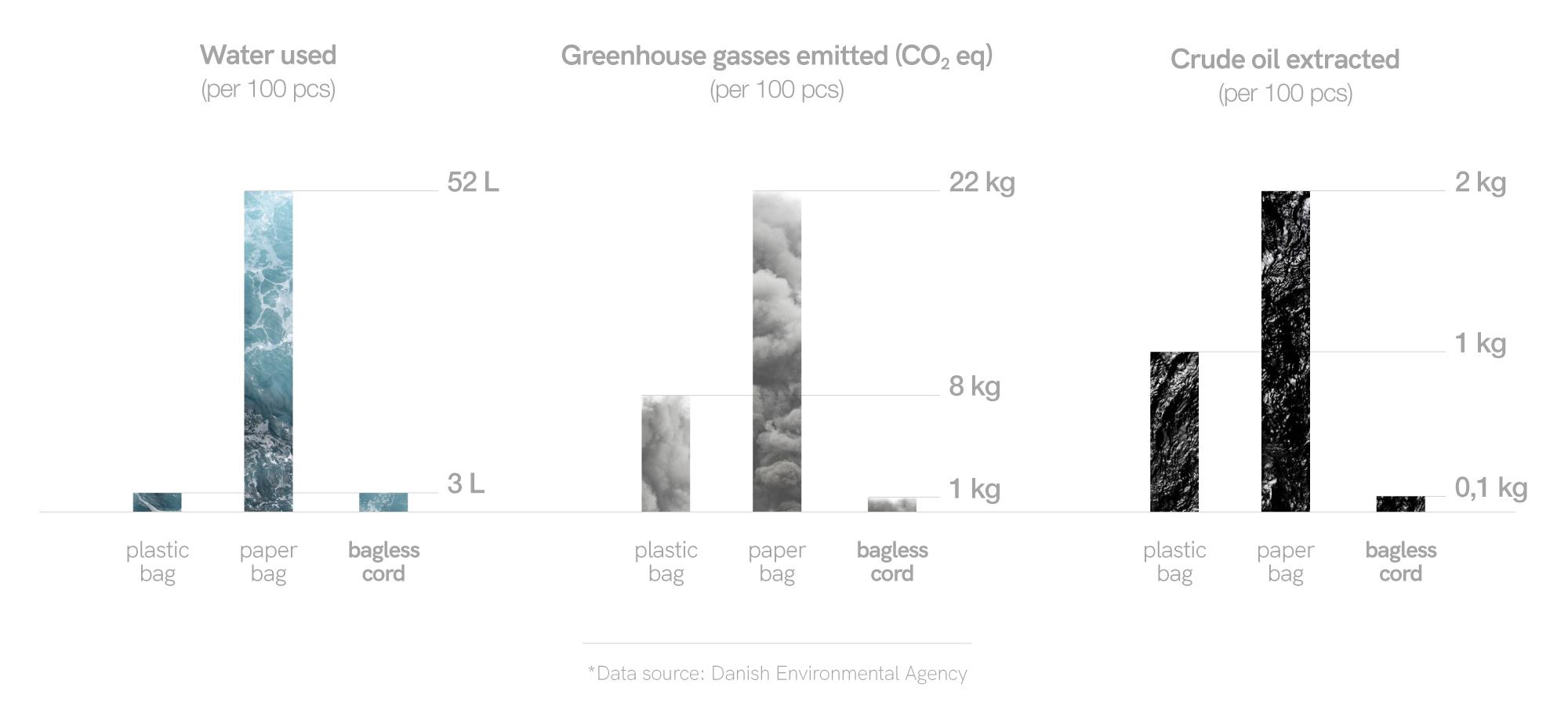
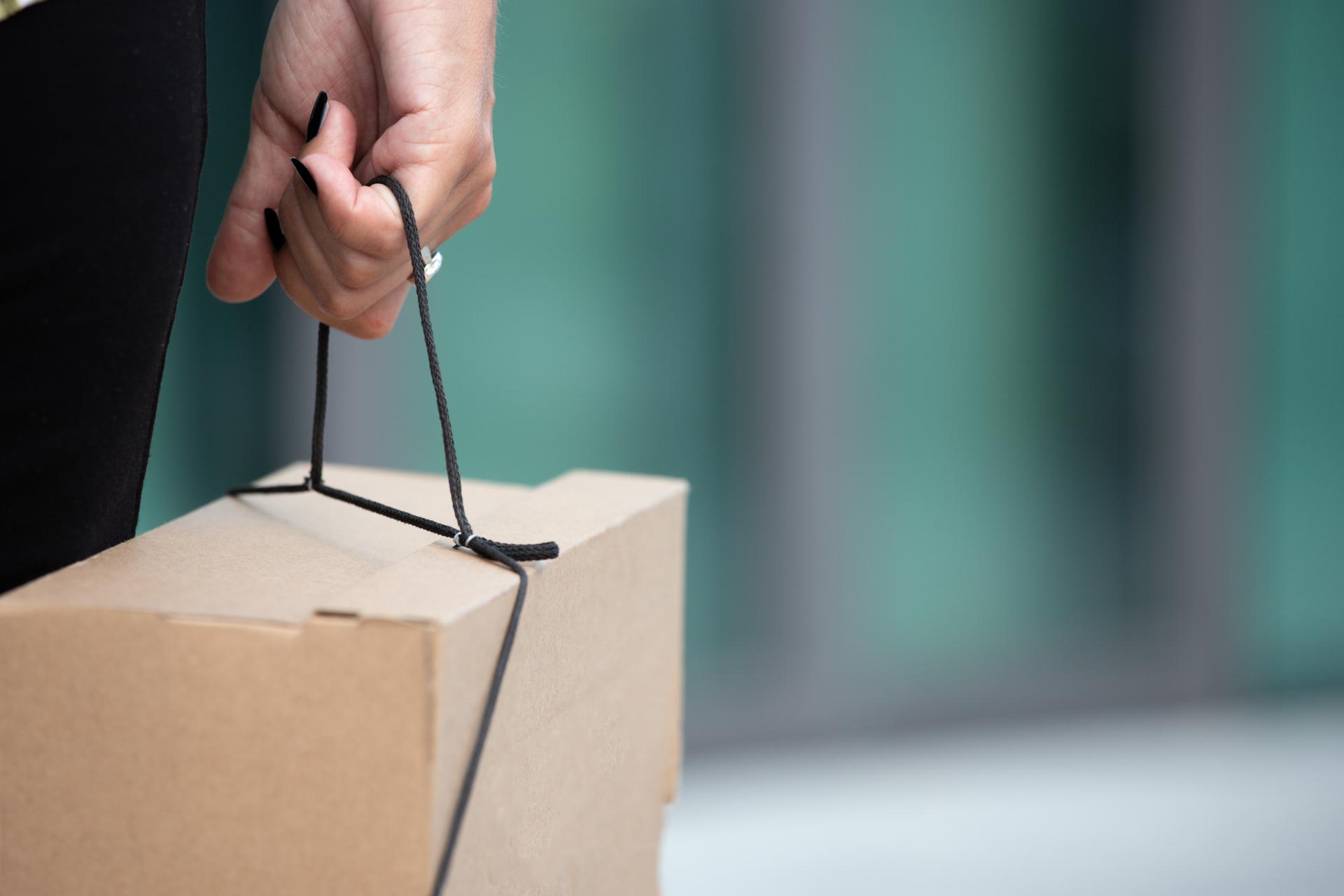
A minimal carrying system that reduces material use by 94 % while integrating into existing retail workflows and giving footwear brands a distinctive, visible expression of innovation and sustainability.
Impact
Bagless Cord was tested in three retail stores, receiving positive feedback and industry interest, and was shortlisted in the IDEO Beyond the Bag and No Waste challenges. Commercial rollout was limited by the upfront investment needed to compete with low-cost, high-volume alternatives.
“This is what happens when you let design experimentation run its course. It led to an innovative solution with measurable environmental impact, while staying grounded in the realities of business, branding and production.”
Bor Klemenc Mencin | Bagless | Co-founder
Paper bags are not perfect
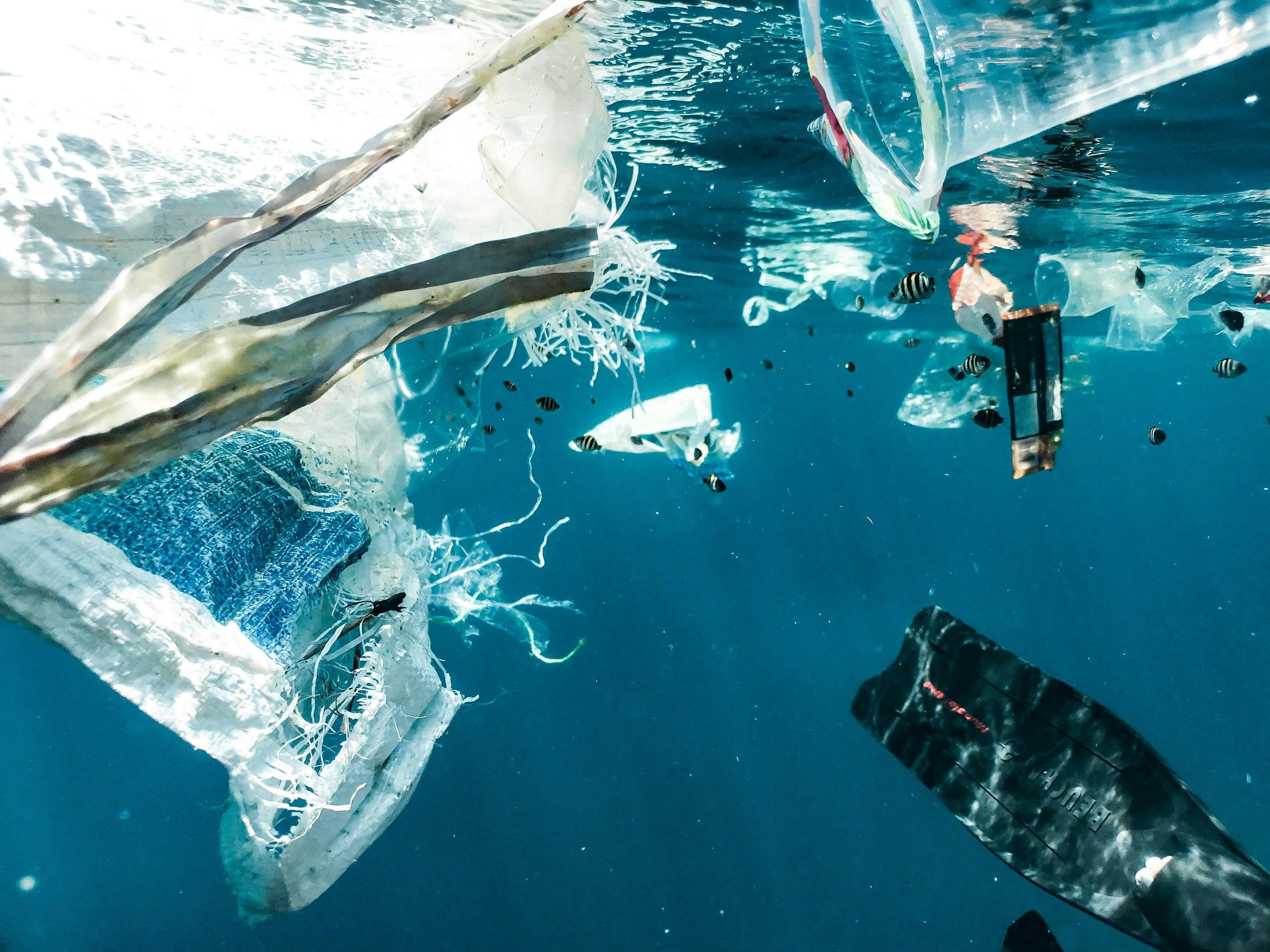
It’s estimated that over 9 million bags are used each year just to carry shoes from stores. Plastic bags are harmful to the environment, but switching to paper isn’t necessarily better. Paper bags can generate up to five times more greenhouse gases because they require far more material to do the same job: around 100 g per bag compared with 10–20 g for plastic.
Paper is renewable and easier to recycle or compost, but using more material also means more resources and emissions. Looking beyond disposal showed that simply replacing plastic with paper was not enough. The bigger opportunity was to reduce how much material was needed in the first place.
All that’s missing is a handle
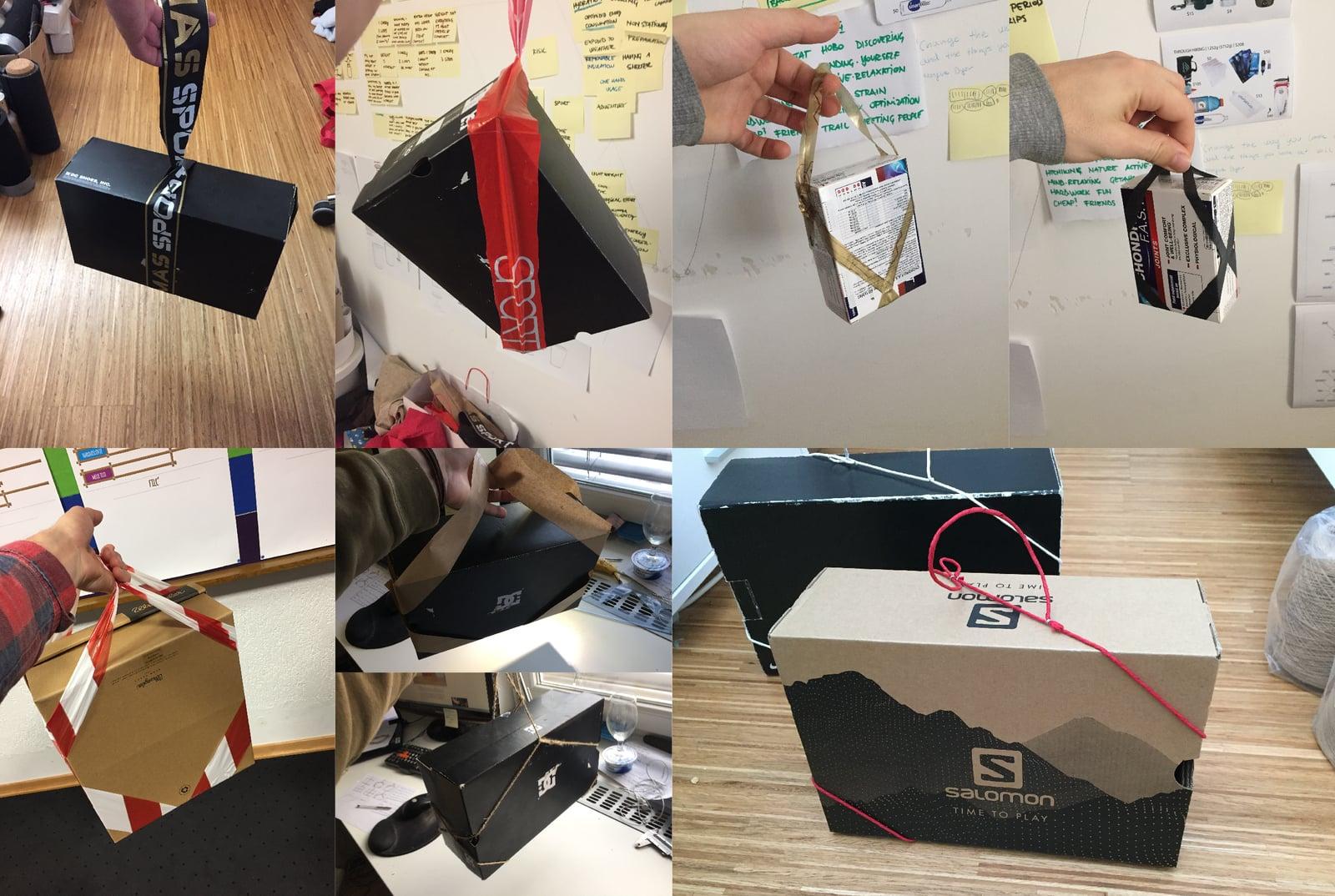
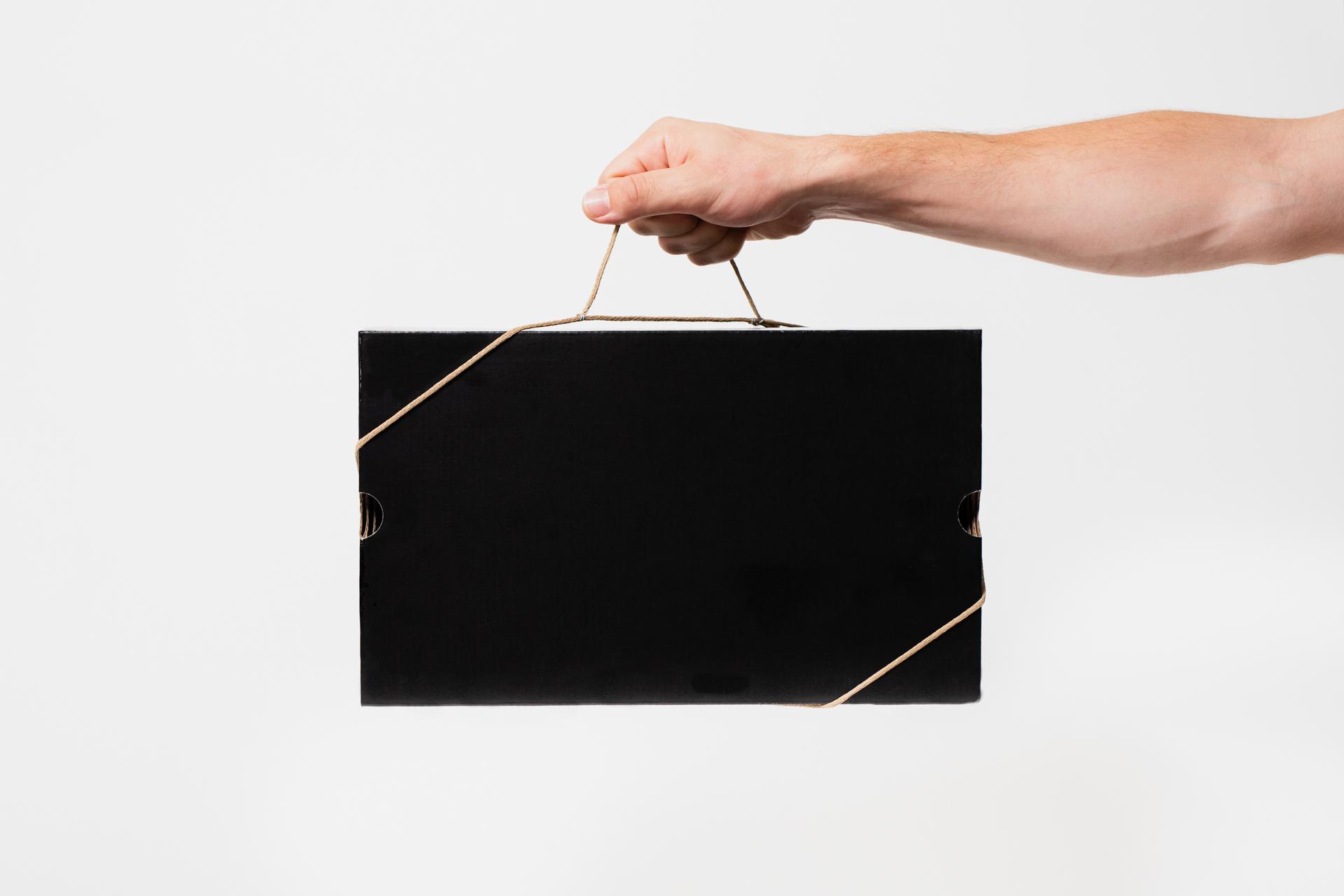
The idea was simple: shoes already come in transport packaging. All that’s missing is a handle.
This insight sparked an experimental process of prototyping and testing multiple concepts around three priorities: significantly reduce material use, disrupt existing retail workflows as little as possible, and create a solution attractive enough for brands to adopt.
A familiar experience, 94% less paper
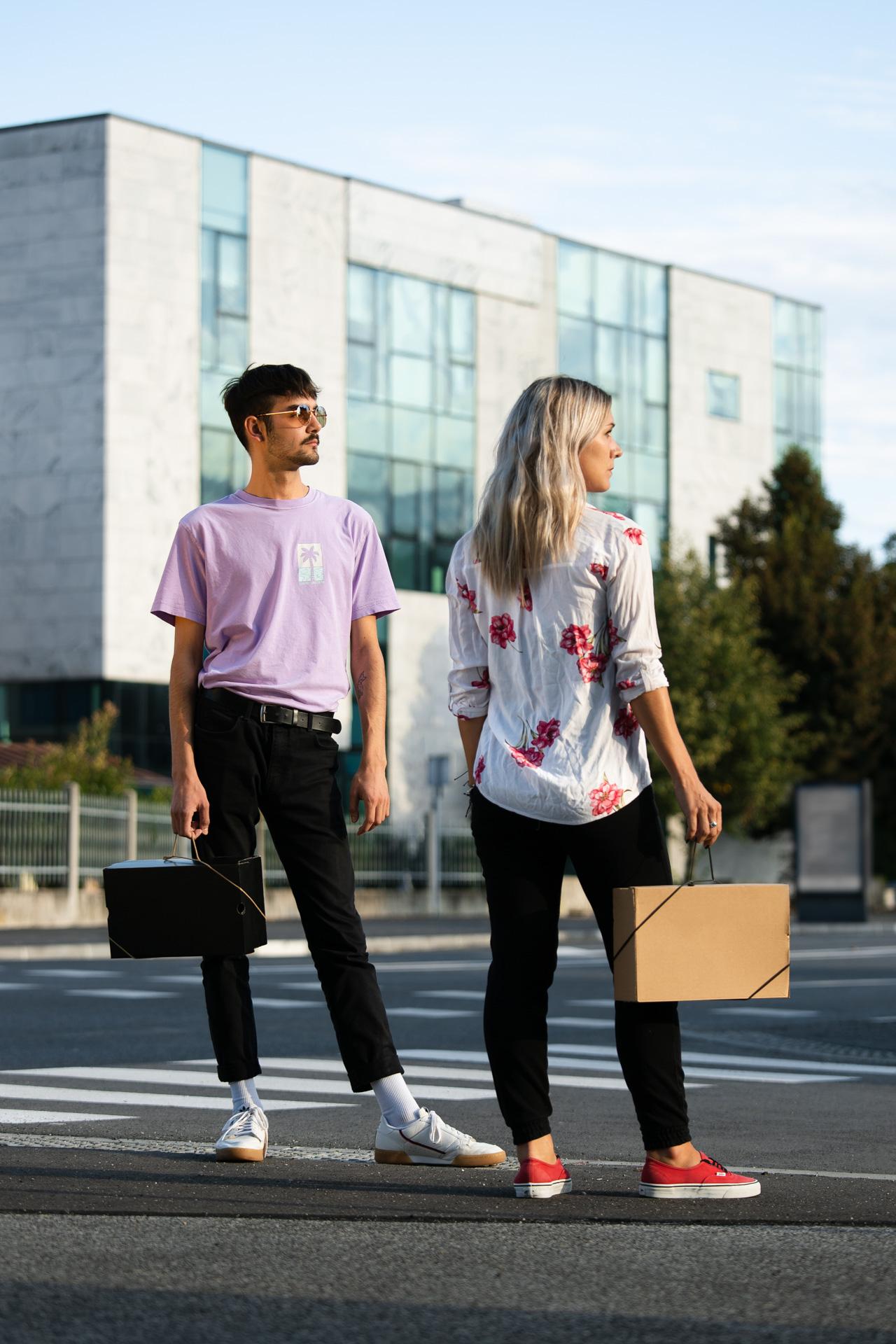
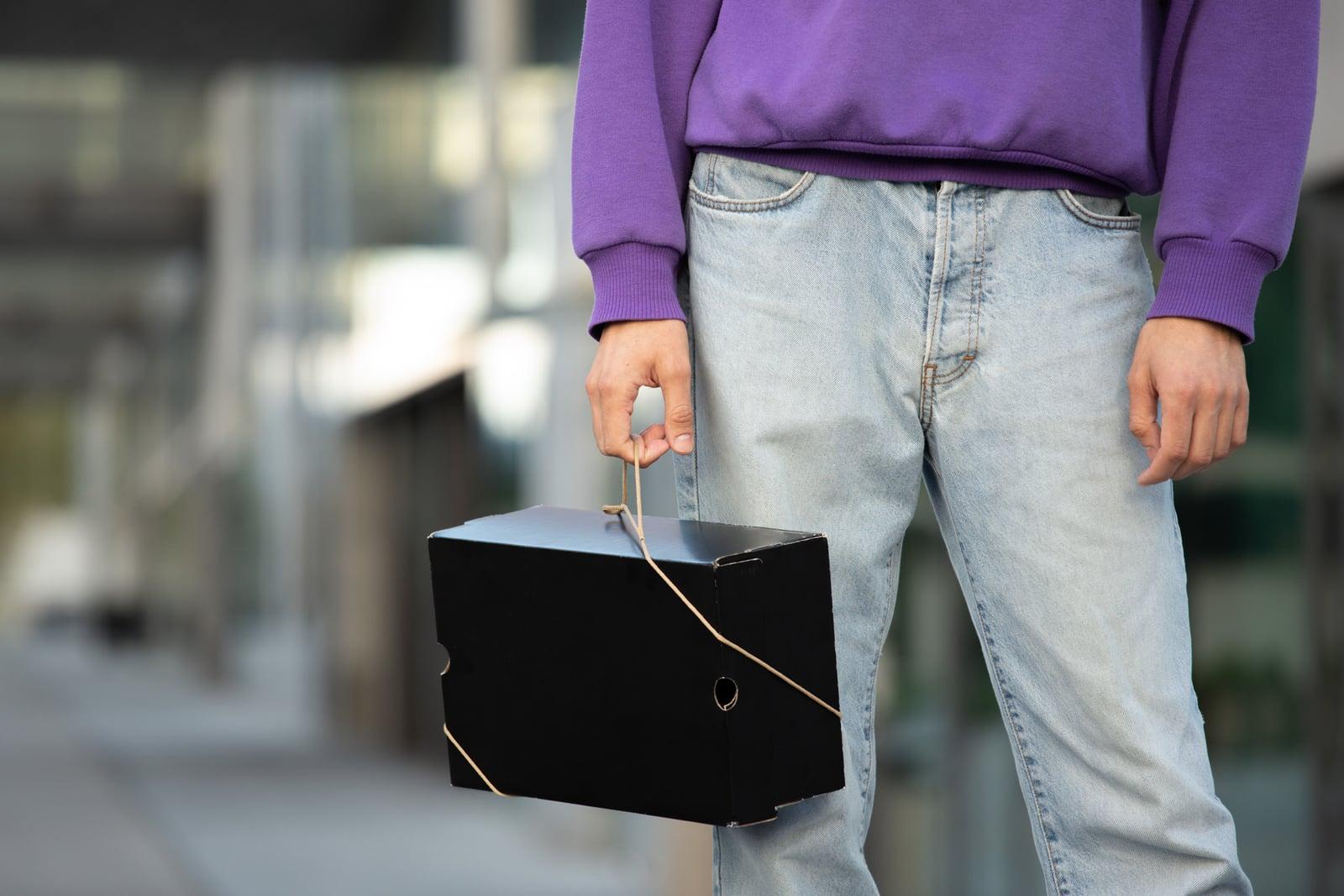
Bagless Cord replaces conventional shoe bags with a minimal carrying system that integrates into existing retail workflows and keeps the user experience close to that of a regular bag.
What about branding?
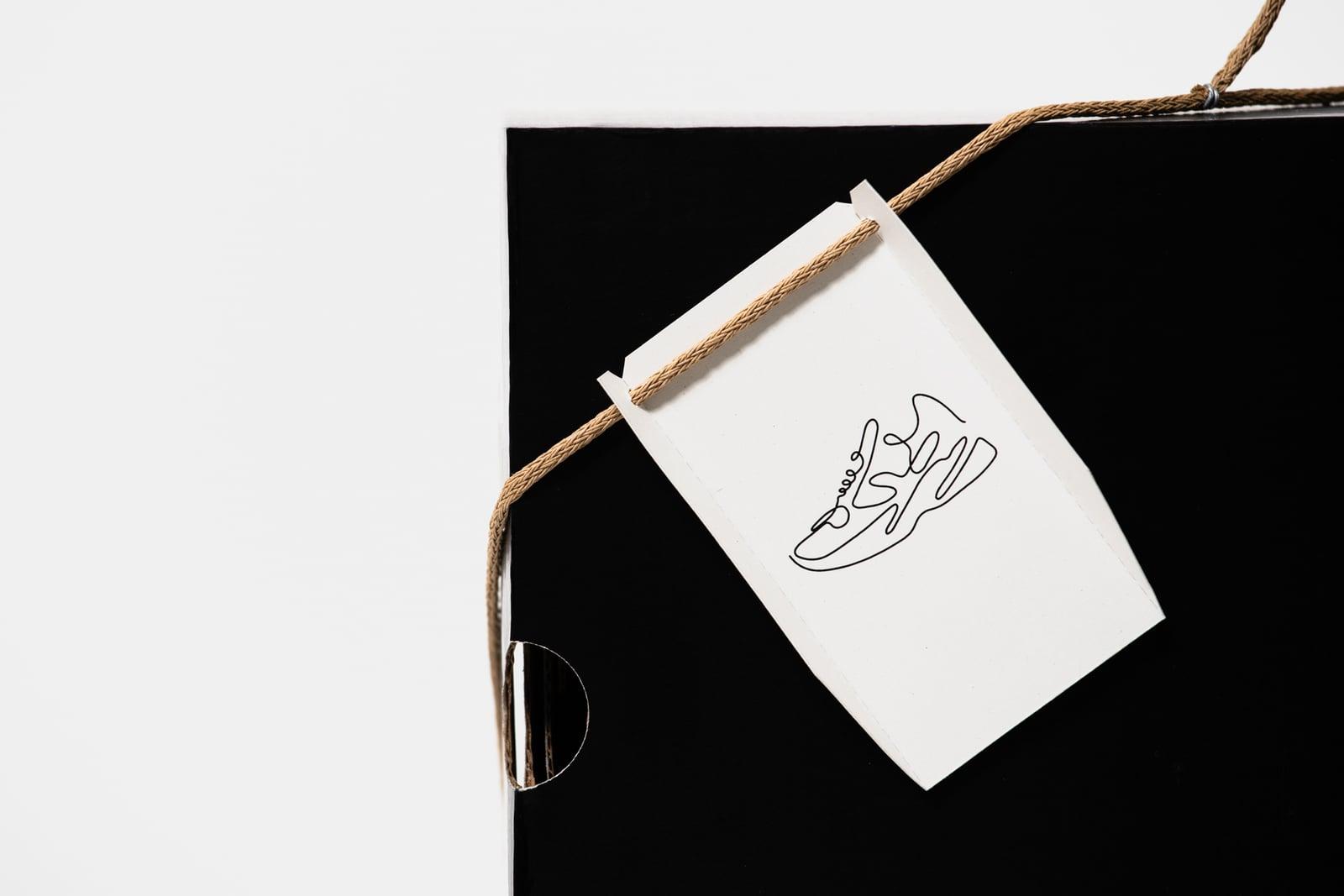
It offers less branding space than a conventional bag, but its novelty attracts more attention. A simple add-on tag provides room for branding, while the reverse communicates the environmental benefit and disposal instructions.
Design: Žan Brezec
Co-founder: Bor Klemenc Mencin
Video and photography: Bagless, Rok Brglez, Unsplash